Building home across continents: How one Gambian woman created safe spaces for herself and eldest daughters
A few decades ago, a little girl was born in West Africa’s smiling coast, Gambia, before making a life-changing move to West Yorkshire, England. That moment set her on a journey of rediscovery. Yasin’s story is proof that where there is a will, there is a way.
Over the years she has experienced different things from working as a private chef to studying Criminology at the University of Westminster, to moving to Leeds as a teenager where she says she found her smile again.
Running through every chapter of her life is a thread of rediscovery: the courage to find her community and identity, even when it means stepping into unfamiliar and uncomfortable spaces.
What emerges is the beauty that can happen when we refuse to stay complacent, when we find our tribe, and when we learn to transform life’s challenges into something joyful.
Yasin describes her journey as a rollercoaster. Like all rollercoasters, there are twists and turns that terrify you, but it is the thrill of the unexpected that keeps you feeling alive.
That brave little girl is now a woman who leads an incredible organisation: Home Girls Unite. The international community connects eldest daughters from immigrant households across the UK, New York and parts of Africa, offering a space of support.
For much of her early life, Yasin’s path was shaped by the decisions of those around her. But as she stepped into adulthood, she began to take those choices back into her own hands. Life can happen to us, or we can happen to life.
On International Women’s Day, we celebrate Yasin, and the women who take the crumbs life gives them and turn them into something remarkable.
“I often find myself in places wondering how I got here. Most of my life has felt unplanned, but somehow right. I trust that this is what God has written for me, and I’m learning to enjoy the journey. ”
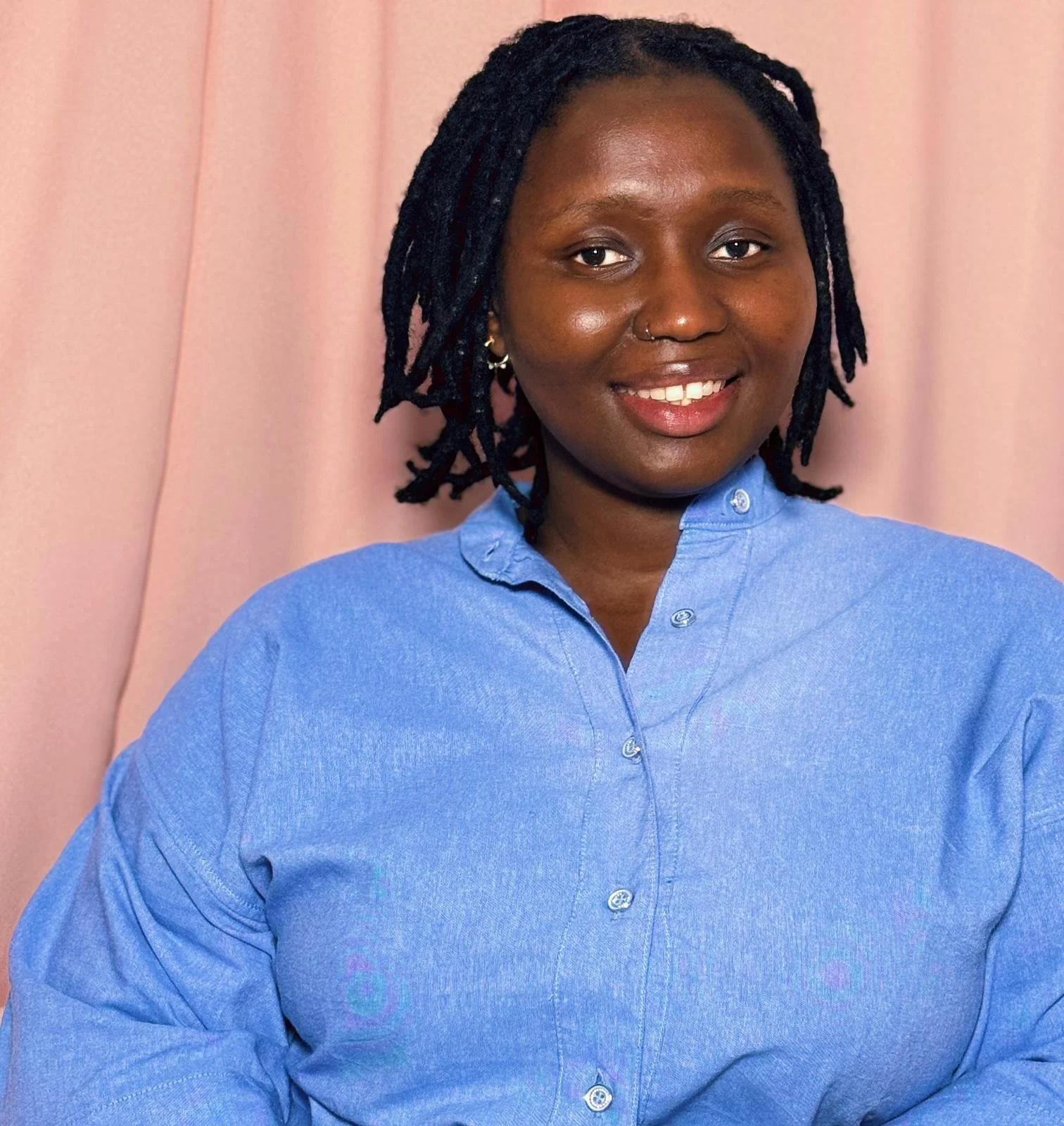
Yasin’s Food Profile
Go-to comfort food? Tunacado, sushi or ramen
If you could be a fruit or vegetable, what would it be, and why? Mango! If you're patient with them, they get really sweet.
Food item that reminds you of your childhood? Ebbeh (a Gambian seafood street food)
Current favourite restaurant? Africa Kine (New York, Harlem). A Senegalese restaurant
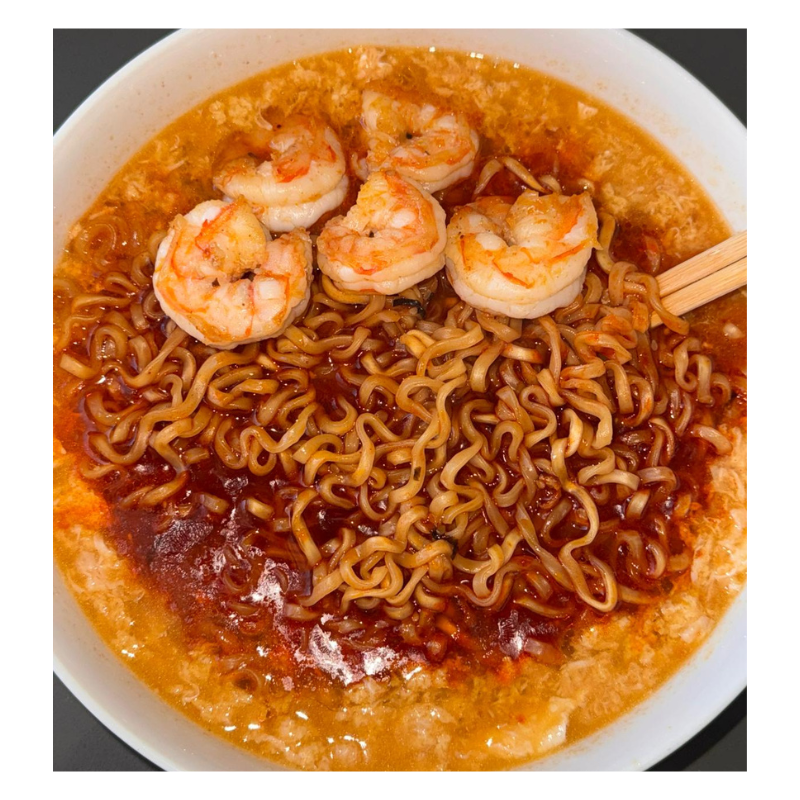
The Interview
Looking back, what feels most unconventional about your life?
From my upbringing to adulthood, very little about my life has been conventional. I’ve lived in four countries and two of the world’s biggest cities. The other day I showed my best friend the snow outside my window and she said, “I can’t believe you live in New York.” I replied, “Girl, me too,” and we both laughed, because honestly, I still can’t believe it.
I often find myself in places wondering how I got here. Most of my life has felt unplanned, but somehow right. I trust that this is what God has written for me, and I’m learning to enjoy the journey.
I was born in Gambia, a beautiful coastal country. My childhood was bliss, spent between Gambia and Senegal, which is where my grandma lived. I spent the first 11 years of my life in Gambia before moving to Wakefield, West Yorkshire.
It’s two completely different upbringings. In Gambia, I felt free, comfortable and confident as a child. In the UK, I was suddenly fighting two very different identities: my teen years felt like a constant struggle for survival. But my parents drilled two things into me: get a good education and a good job. Everything in between was a blur. I was often reminded that “your friends back home did not have this opportunity, so don't mess it up” - so I just had to figure it out myself.
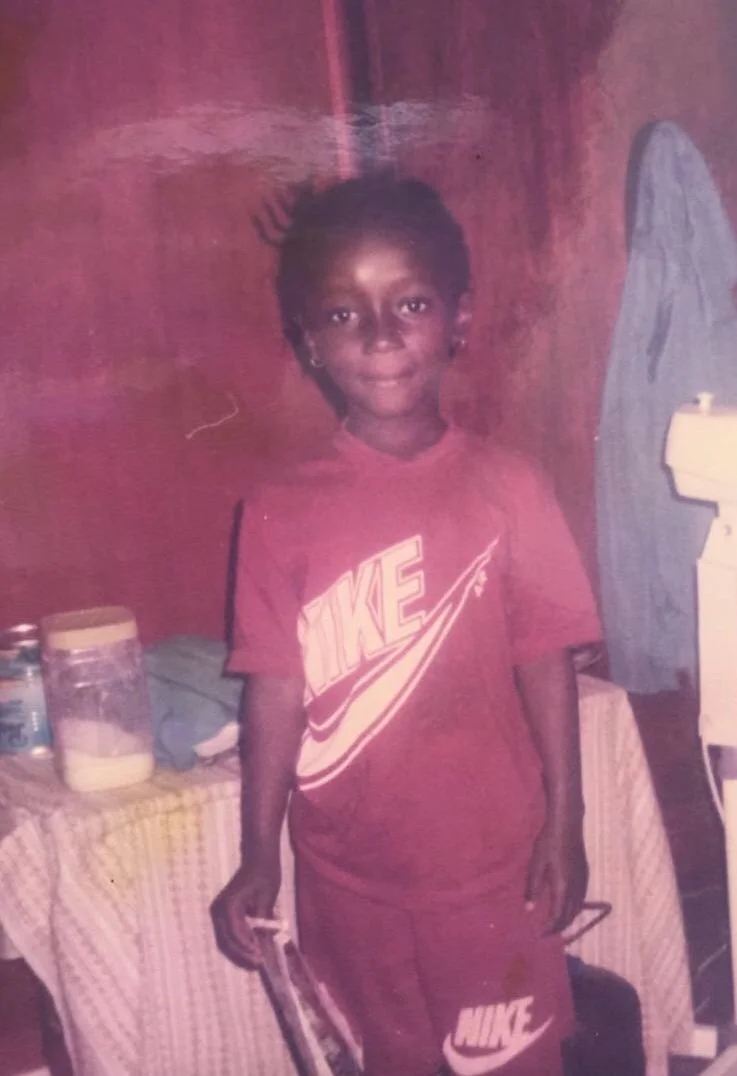
Yorkshire & Gambia are incredibly different environments. How did you navigate this?
West Yorkshire is not the most racially diverse place, so growing up there was a shock. To be honest, Yorkshire brought me sadness. It was the first time I experienced racism, isolation and loneliness - experiencing that as a teen was hard.
It was a brutal contrast - going from a country where I was the majority to being one of only three black girls in my year group. There were no hair salons for me, no African food shops, and then of course - it was cold!
That’s why, when it was time for college, I moved to Leeds. Leeds brought me joy, opportunities and lifelong friendships with people who truly understood me. I connected with other Gambians, discovered black hair shops, got my first part-time job and watched my curiosity blossom.
By the end of my first year of college, I decided that I wanted to move to a new city, so I headed to London for my undergraduate degree and never looked back. It was the best decision I ever made.
What gave you the courage to choose a career path that was unconventional to your parents and culture?
I knew where I wanted to end up, I just wasn't sure how I was going to get there. As the story goes, immigrant parents who want you to be a lawyer, doctor or engineer. Their rationale was financial security, which is understandable, but there’s also a sense of pride and bragging rights for them!
Unfortunately for them, I had no interest in that, I knew my journey wasn’t going to follow the status quo. I wanted to work in gender development. Growing up in Gambia as a survivor of FGM (Female Genital Mutilation), and seeing the daily injustices women and girls faced, I knew I wanted to help women overcome oppression.
Studying Sociology and Criminology taught me so much about the state of the world we live in, maybe a little too much, because after graduation I took a complete step back to figure out my career path. During this time, I took on many roles including being a private chef. After nearly two years, I was ready to go back to my ultimate goal, working with women and girls, which eventually led me to creating Home Girls Unite (HGU), an organisation that supports eldest daughters from immigrant homes.
You loved being a private chef. What lessons did you take from that path?
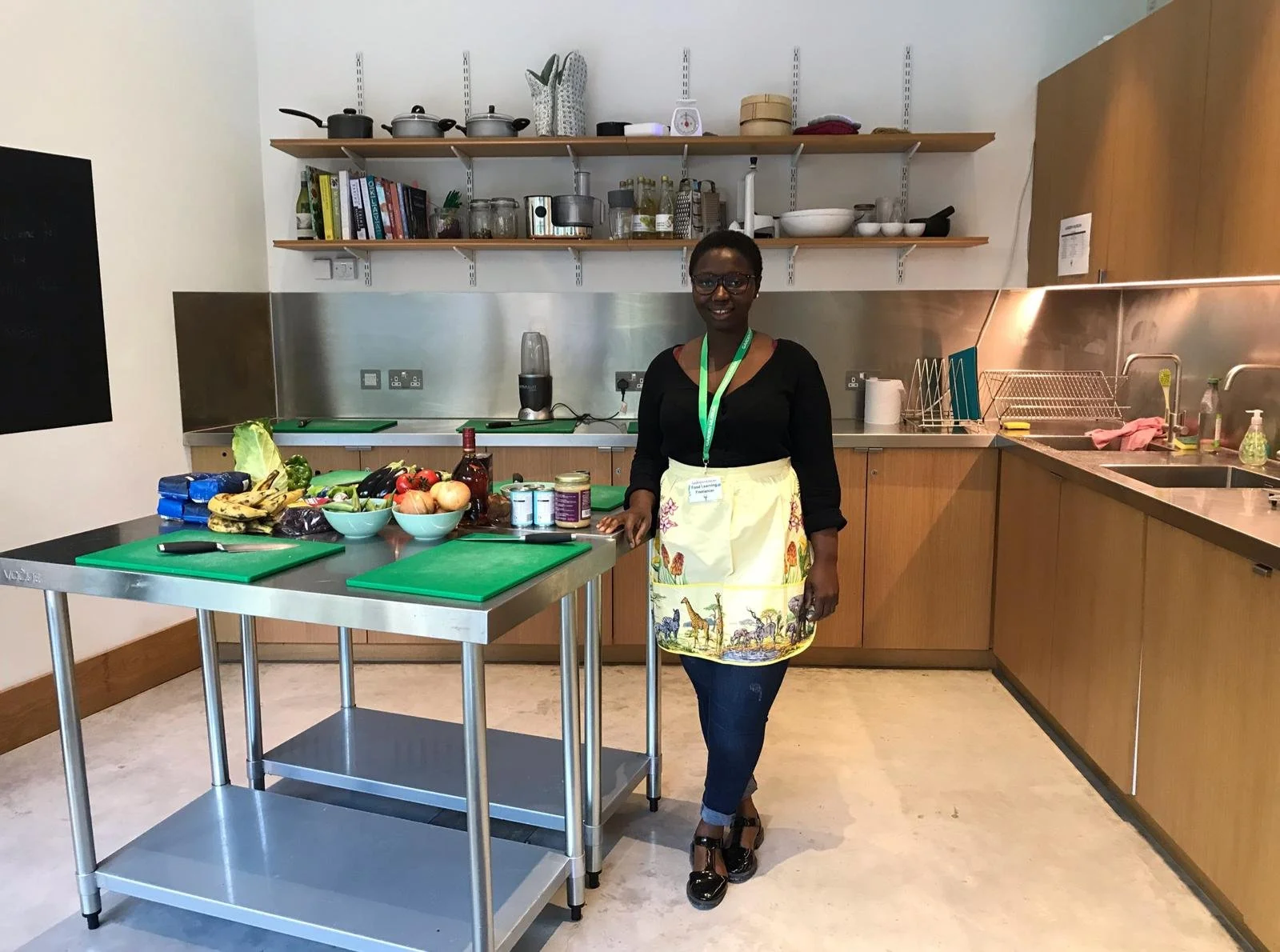
By the time I graduated university, I was burnt out, I was trying to balance everything! So I wanted a job where I was in control, I didn't want a job, or person to dictate how I lived my life. Being a private chef allowed that. I chose when to work, and most importantly when to step back when things got overwhelming.
I loved it. It taught me how to experiment, how food impacts our bodies and monthly cycles, and how to adapt to new cultures. I’m so grateful for that chapter in my life, and of course, my friends and family still get to benefit from it!
Home Girls Unite sits at the centre of so much of what you currently do. Can you tell us how it began and what it represents for you now?
In 2017/18 I applied for the TuWezeshe Fellowship, a feminist leadership and mentoring programme for young women of African and Caribbean heritage run by FORWARD UK. As part of the fellowship we received a micro-grant to run a social action project addressing an issue affecting our communities.
Another fellow and I realised we had similar ideas and decided to combine our funding to create a bigger impact. During our meeting we found ourselves going completely off topic, talking about the stress of being big sisters in immigrant households. At the time I thought what we now call eldest daughter syndrome and parentification was unique to our Gambian and Somali families.
After many conversations we realised other young women must be experiencing the same thing, and we wanted to create a space where these women could support each other.
In 2021 we formally registered as a Community Interest Company. Five years in, we’ve supported eldest and parentified daughters not only in the UK but globally.
Today Home Girls Unite represents hope and safety. I hope the next generation of eldest daughters will be supported rather than pressured, and that parentification of young people, especially girls, reduces significantly.
Many people assume domestic violence only occurs in romantic relationships, but it can happen between anyone living in the same household, including siblings, parents and adult children. Through education and community support, we aim to create safer spaces for global majority women and girls.
The organisation now proudly partners with FORWARD UK to run the TuWezeshe Fellowship for young women of colour in the UK, with the next cohort launching in summer 2026.
Has setting up this organisation impacted how you live your life?
Yes it has. A key value I take from HGU is self awareness, therapy and strong boundaries.
I try to practise the same values that guide the organisation. Having a weekly therapist has helped me prioritise my own needs and avoid overwhelming myself. Clear boundaries between work and personal life make that possible.
You found love which resulted in you moving to New York. What was that transition like, and how are you shaping a sense of home there?
It’s been interesting. Before New York I was living in Barbados, which reminded me a lot of Gambia: the community, the spacious homes, the fresh produce. I was really in my element.
I knew the move to New York was coming but it still hit me like a ton of bricks. The first few months were hard. There were a lot of tears and a lot of missing home. Thankfully it was summer, which made exploring easier. My husband took me on long walks and comforted me whenever homesickness hit.
What I really needed was girl time. Luckily two of my friends had moved to NYC the year before. Having them was a godsend. We spent the summer going to the cinema, having food dates, co-working and visiting farmers markets. Slowly I started to feel more settled.
I’m not sure New York will ever fully feel like home, but I can see myself here for a few years before the next adventure. There are incredible opportunities here and I’m excited to embrace this chapter.
What advice would you give your 18 year old self today?
I would tell her her feelings are valid. Just because people tell you to be grateful for what you have doesn’t mean those same things haven’t also caused pain or sadness. Some experiences that put me in a privileged position still hurt, and I wish my younger self had allowed herself to acknowledge that.
And finally, don’t let other’s dictate your life. It doesn’t matter who likes or dislikes you. As long as you like yourself, that’s what matters most.