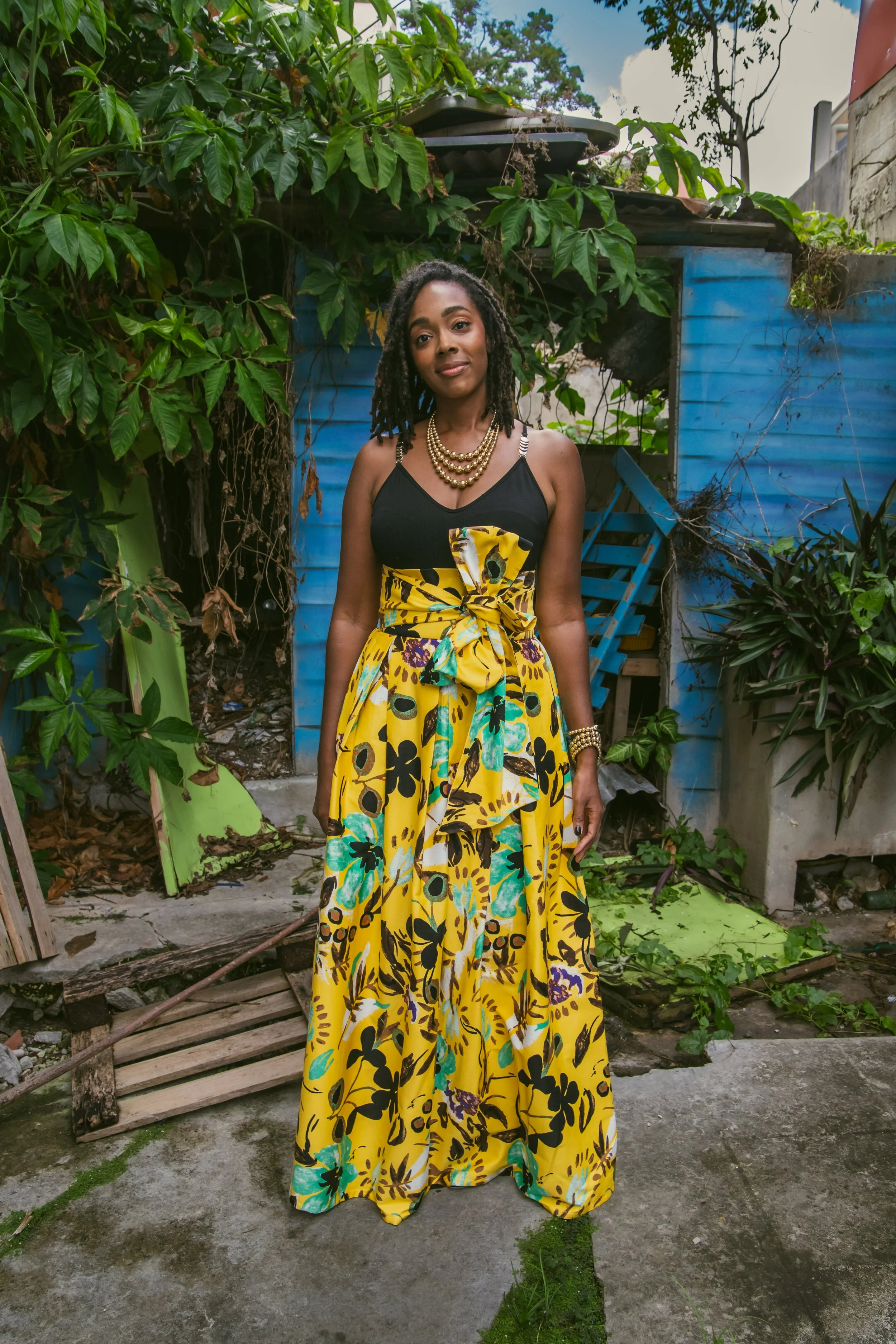
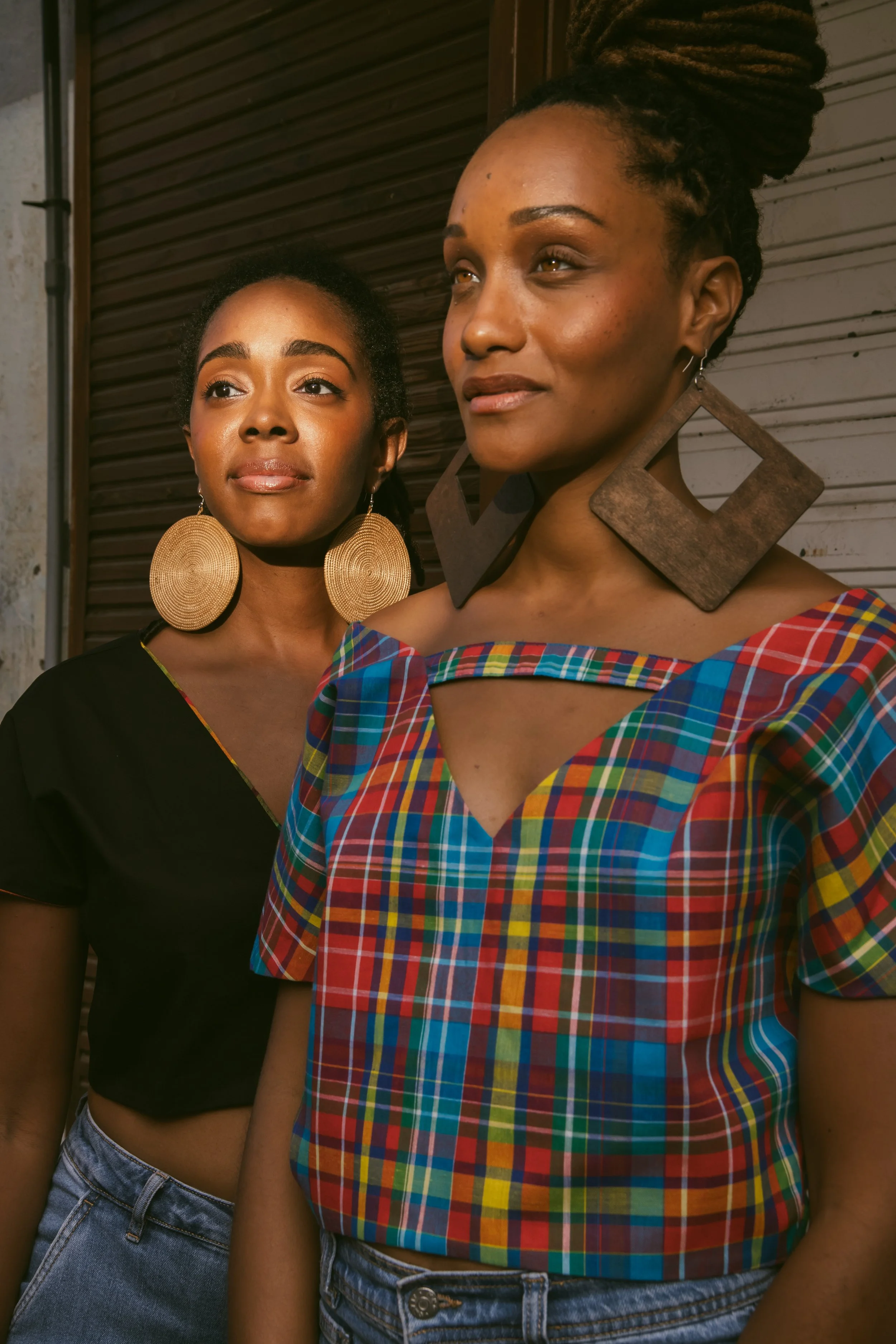
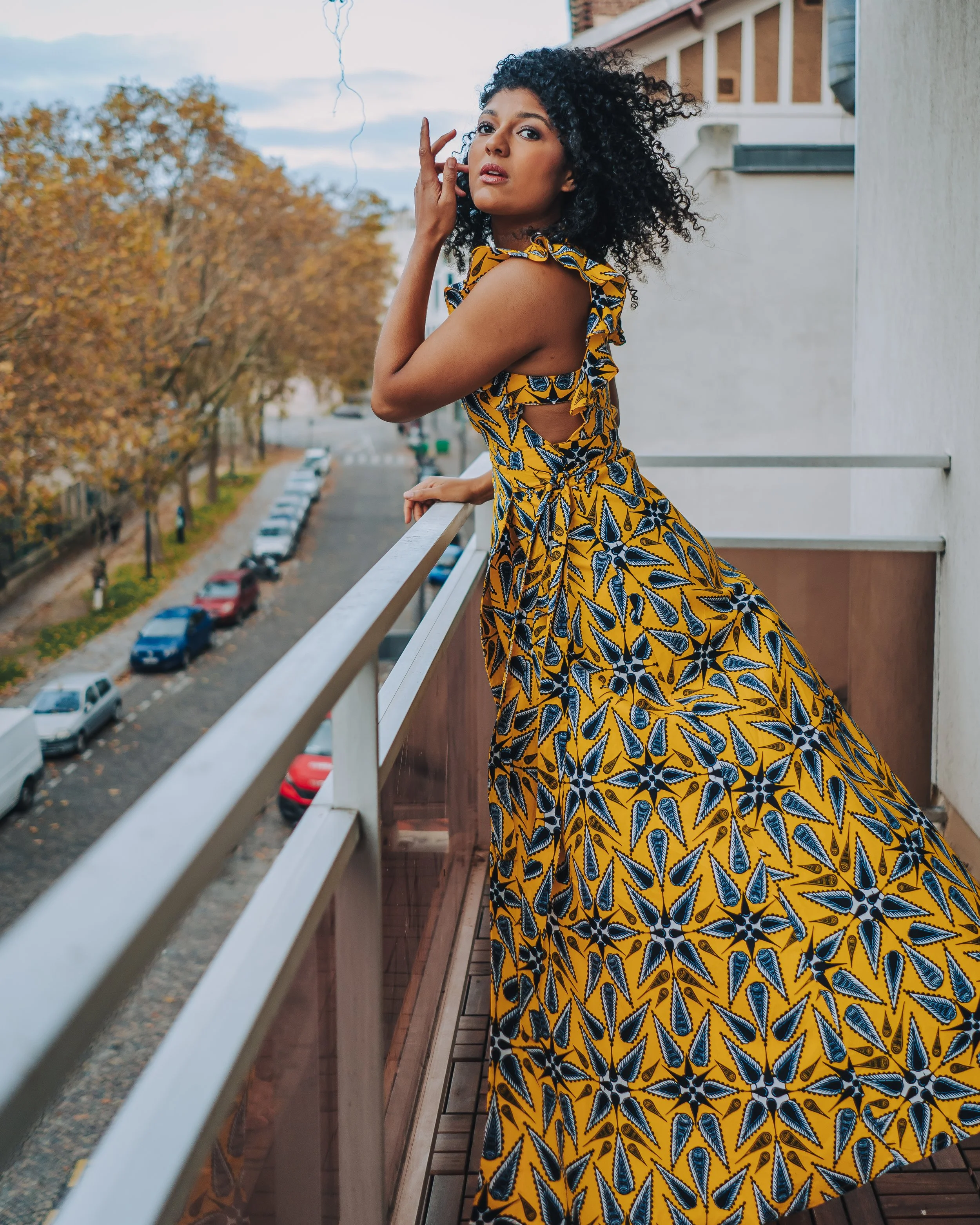
From stem cells to the fashion capital: The Guadeloupean designer dressing Paris in colour - her way.
On a random night in Paris's 20e, I met with some brilliant women - and it was there I met Muriel Jacquet, a bright, fabulously energised fashion designer - founder of fashion brand SaNouYé. Our first conversation was a blend of my poor French (I’m learning) and her English - but between us we pieced together a conversation across both languages (well, predominantly English). Then she showed me images of her designs.
I created The Non-Conventionnelles because I was meeting so many wonderful people like Muriel and wanted to document their stories in a format that felt natural. I feel writing allows that - not everyone wants to be on camera. And I was passionate about publishing interviews in people's native language, so they could express themselves in the way that fits them best - I mean why should anyone have to succumb to the language of the writer when they can write how they truly feel?
I hope you enjoy hearing about Muriel’s story & thanks to the fabulous Nour Abida, for the translation from English to French.
Translation Editor: Nour Abida.
“Never betray yourself. Trust yourself. And avoid listening too much to advice from people who haven’t taken real risks to pursue their own dreams.”
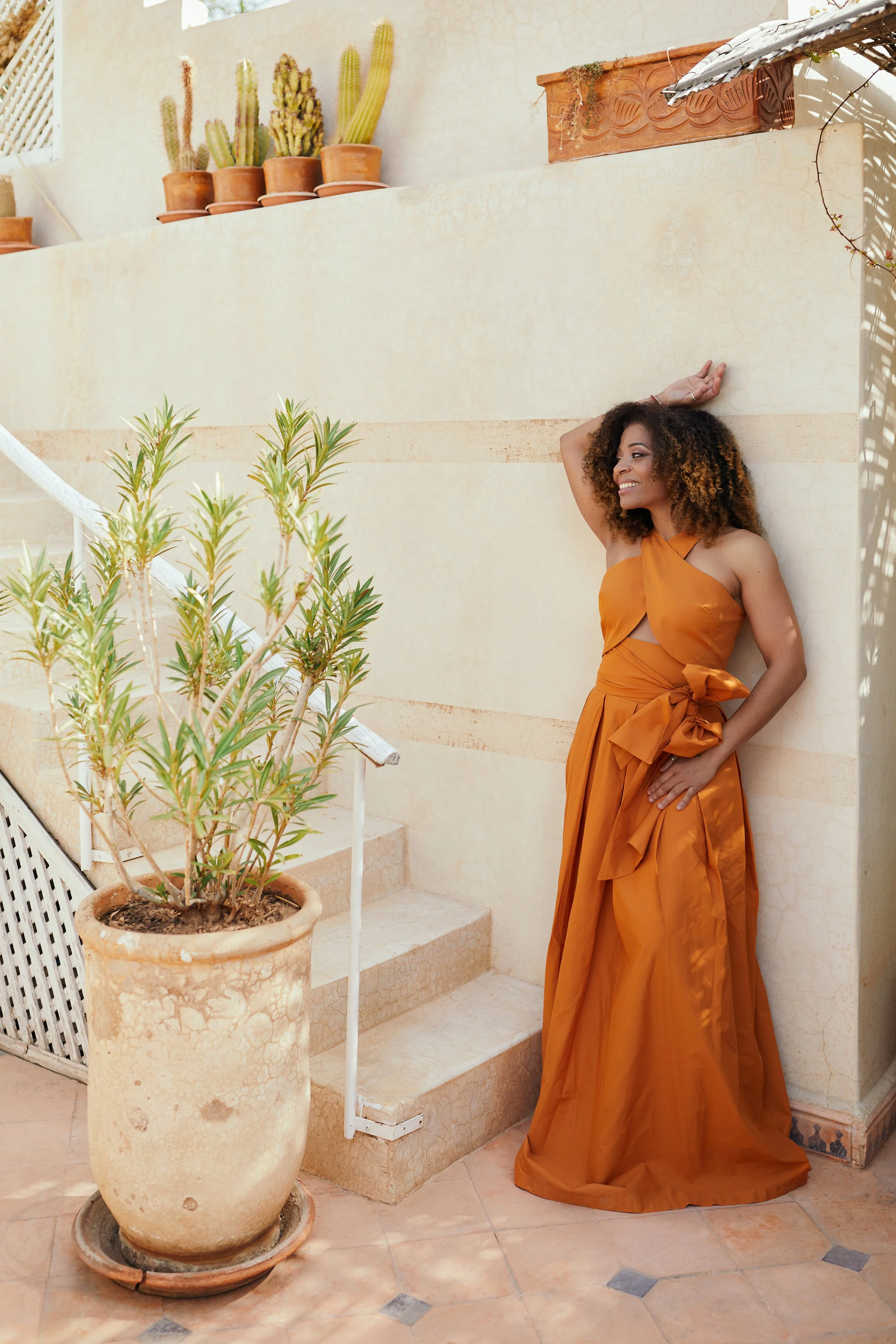
Muriel’s Food profile
Go-to comfort food? Vanilla eclair (Carl Marletti)
If you could be a fruit or vegetable, what would it be, and why? A mango (specifically from my grandma’s mango tree).
Food item that reminds you of your childhood? Hot chocolate milk and bread
Favourite restaurant? A restaurant in Guadeloupe, specialising in fish called An ba tol la.
Restaurant on your wishlist? B.O.U.L.O.M (Paris, 18eme). A boulangerie
The Interview
To begin, could you introduce yourself and paint a picture of the place that shaped you? What stands out most about growing up in Guadeloupe?
I was born in France, in Bondy to be precise, and just before I turned four, we moved to Guadeloupe, where I’m originally from. My childhood was simple: I grew up with two older brothers, and apparently I liked being the boss lol. I grew up surrounded by lots of animals and developed a real passion for dogs. I spent a lot of time watching my mother cook, garden, and plant things. She cooked everything - from our pain aux raisins to our daily meals. We very rarely had store-bought snacks, and there was always a cake on Sundays. I remember I loved making caramel popcorn and bringing it to my classmates. I worked hard at school; it was very important to me to do well and bring good grades home.
Your heritage feels woven into your designs. How does the energy of Guadeloupe continue to influence your work today?
Guadeloupe is deeply rooted in me, and I’m very proud of that. It’s the place where I feel calm and at peace. I love sitting on a beach and watching the horizon - I find it incredibly soothing and rejuvenating. I like to bring a book, some coconut water, a towel, and just sit there in silence… just the sea and me. A lot of my drawings were made on the beach (even though I draw very badly).
What does “Sanouyé” mean?
SANOUYÉ comes from “Sa nou yé,” which means “what we are.” It’s a very powerful expression in Creole, commonly used in the Caribbean (on islands that have preserved their Creole heritage). It speaks of pride, of never forgetting our roots and where we come from. It’s almost a declaration of who I am—a way to remember my roots and guide towards my path. Tradition – Transmission – Heritage – Sharing.
Was there a defining “aha” moment that drew you into the world of fashion? Did you notice a gap in the industry that made creating Sanouyé feel necessary?
I’ve always loved dressing up-especially dressing differently from others and being unique. I never wanted to be mistaken for someone else. Fashion wasn’t part of my academic path at all. I’m actually a scientist by training; I studied biology and wanted to work on embryonic stem cells. I mostly worked on diseases like cancer, trying to stop cell proliferation (which is the main mechanism behind cancer development). I loved it and I’m still drawn to that field.
But reality turned out differently. The desire to create my brand came out of nowhere: I started making gwoka skirts (for dancing gwoka, the traditional music of Guadeloupe, you need a skirt, and I learned how to make them). Then I began creating pieces for myself, sketching designs, and people often asked, “Where did you buy that?” And that’s basically how my brand SANOUYÉ was born.
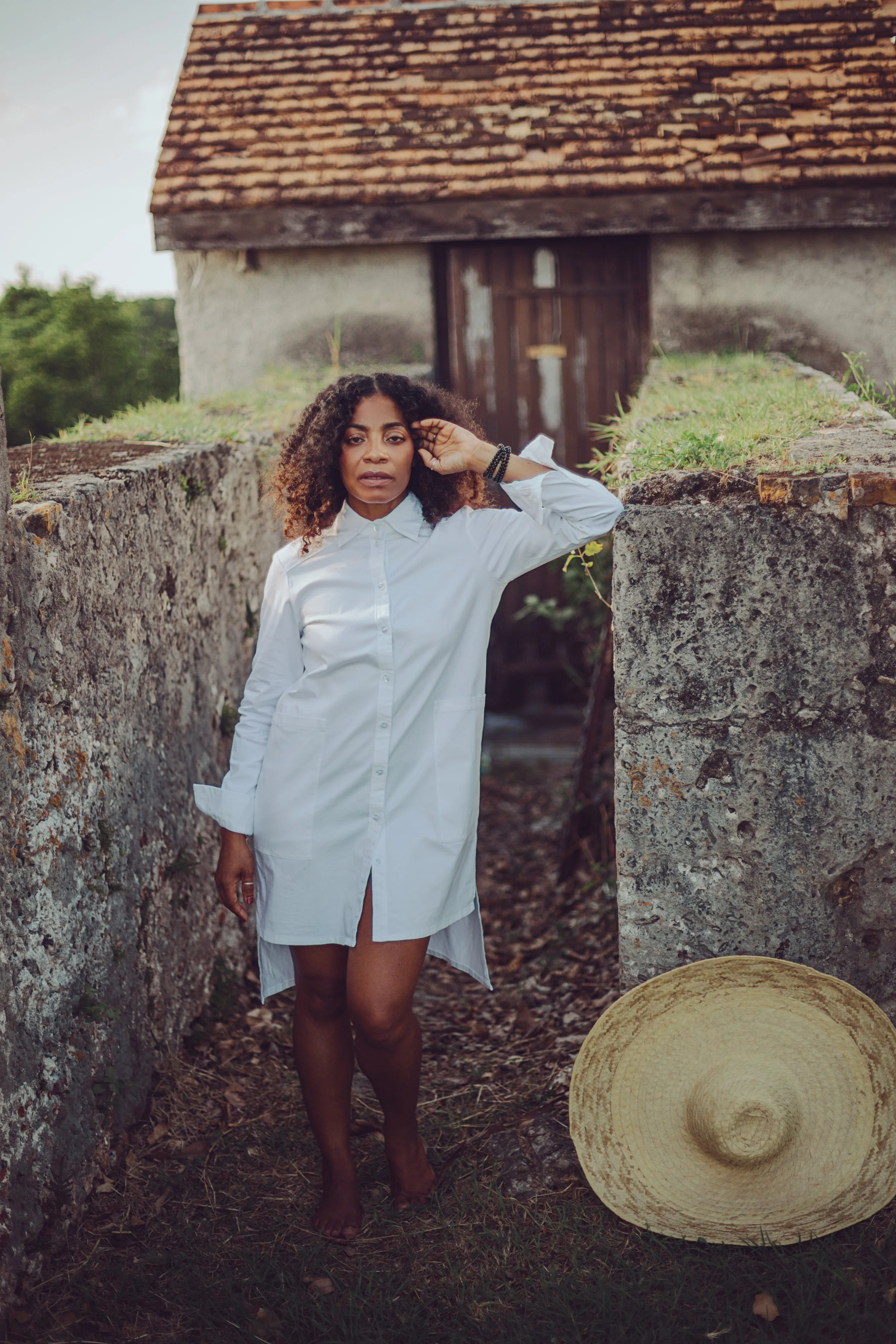
In your view, when do clothes stop being ‘just clothes’ and become a form of identity?
It all starts with how you project yourself into the clothing: I often imagine how I’ll style an outfit, the accessories, etc. Then there’s the way you look at yourself in the mirror - your posture, straightening your back, taking a deep breath, telling yourself you look amazing, stunning… whatever words you use.
It should almost be like a tea ceremony in Japan. Taking the time to dress consciously, realising the power you hold when you feel good in your clothes, and the attitude you carry because of it.
How does that belief shape your approach to design and personal style?
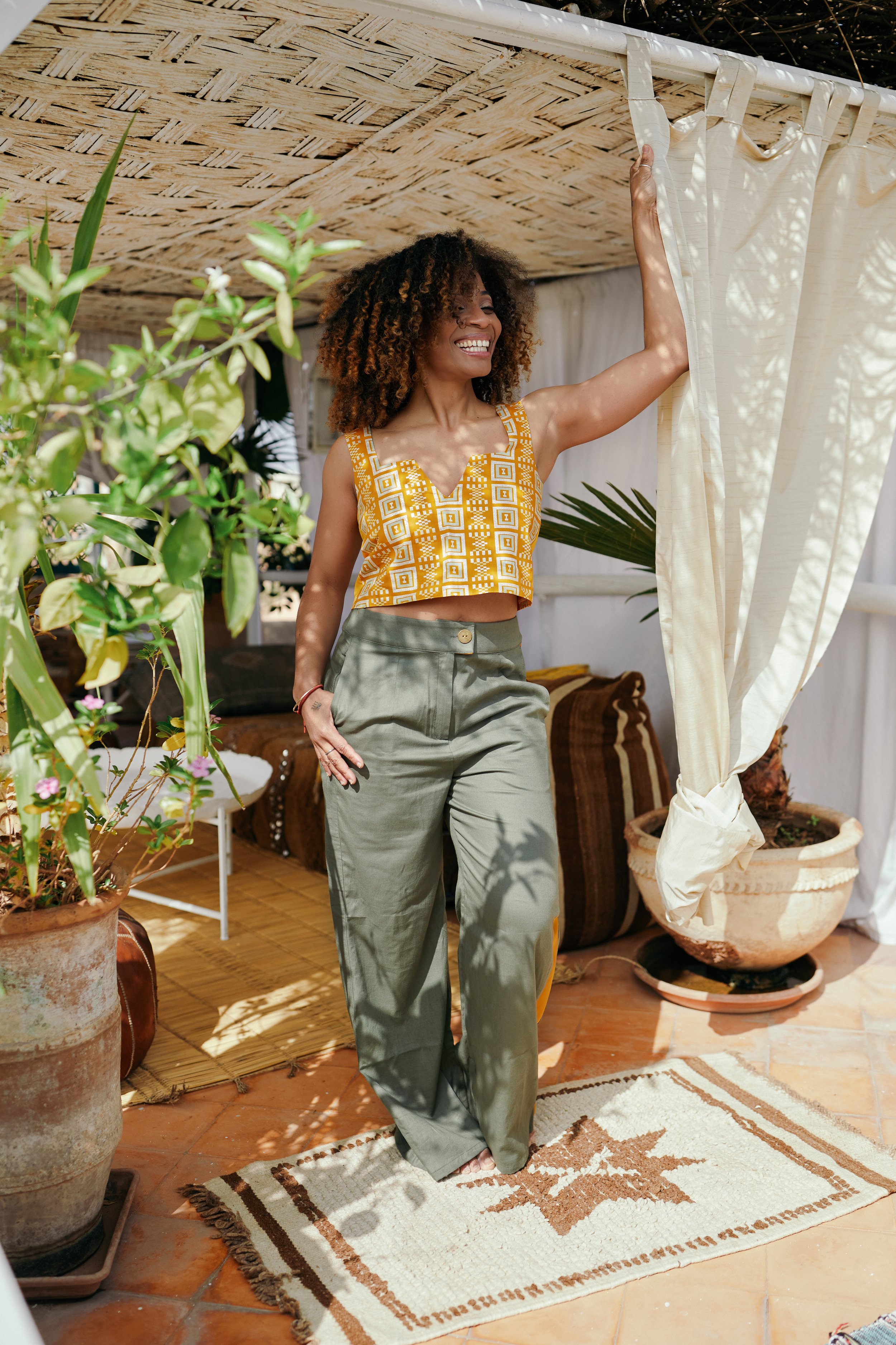
I truly believe clothing can be an armor, a superhero cape. Clothes are not trivial; they allow us to express ourselves, reveal who we are, or even play a game where we control how we’re perceived (though I try to minimise that, because the most important gaze is the one we have on ourselves when we feel good).
Clothing can also be a statement. Personally, I know what to wear to feel powerful, seductive, friendly - I can express all facets of myself through what I choose to wear, consciously.
Moving from Guadeloupe to Paris is a significant shift. When did you make that move, and what surprised you about life in France?
Oh yes, even though I used to visit mainland France regularly, it’s still a place I don’t know very well. I moved back at 18 to Bordeaux because I wanted to study medicine. My first shock was the lack of friendliness: I would say hello and people wouldn’t respond. Then there was the standardisation-everyone dressed the same (especially in winter). When I wore colour, people would look at me strangely. And that’s still the case.
Recently, during a presentation of my project, a woman in her sixties told me that because I use colours, my brand is “atypical” and “exotic,” and that it won’t appeal to everyone. I replied: I know I come from a place where colours embody and breathe life, but I don’t think colours have an origin. Colour is simply about the absorption or refraction of white light depending on wavelength (lol).
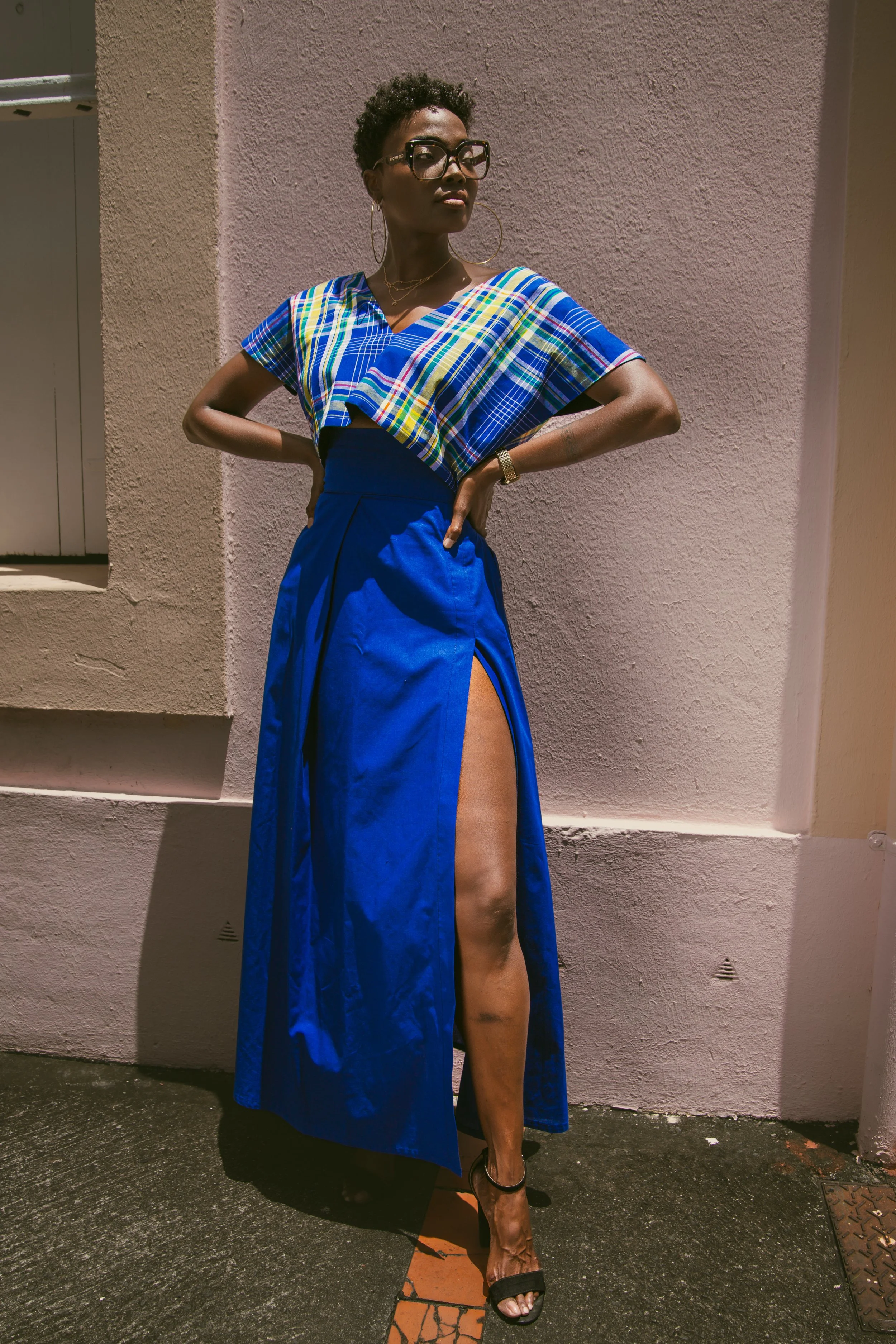
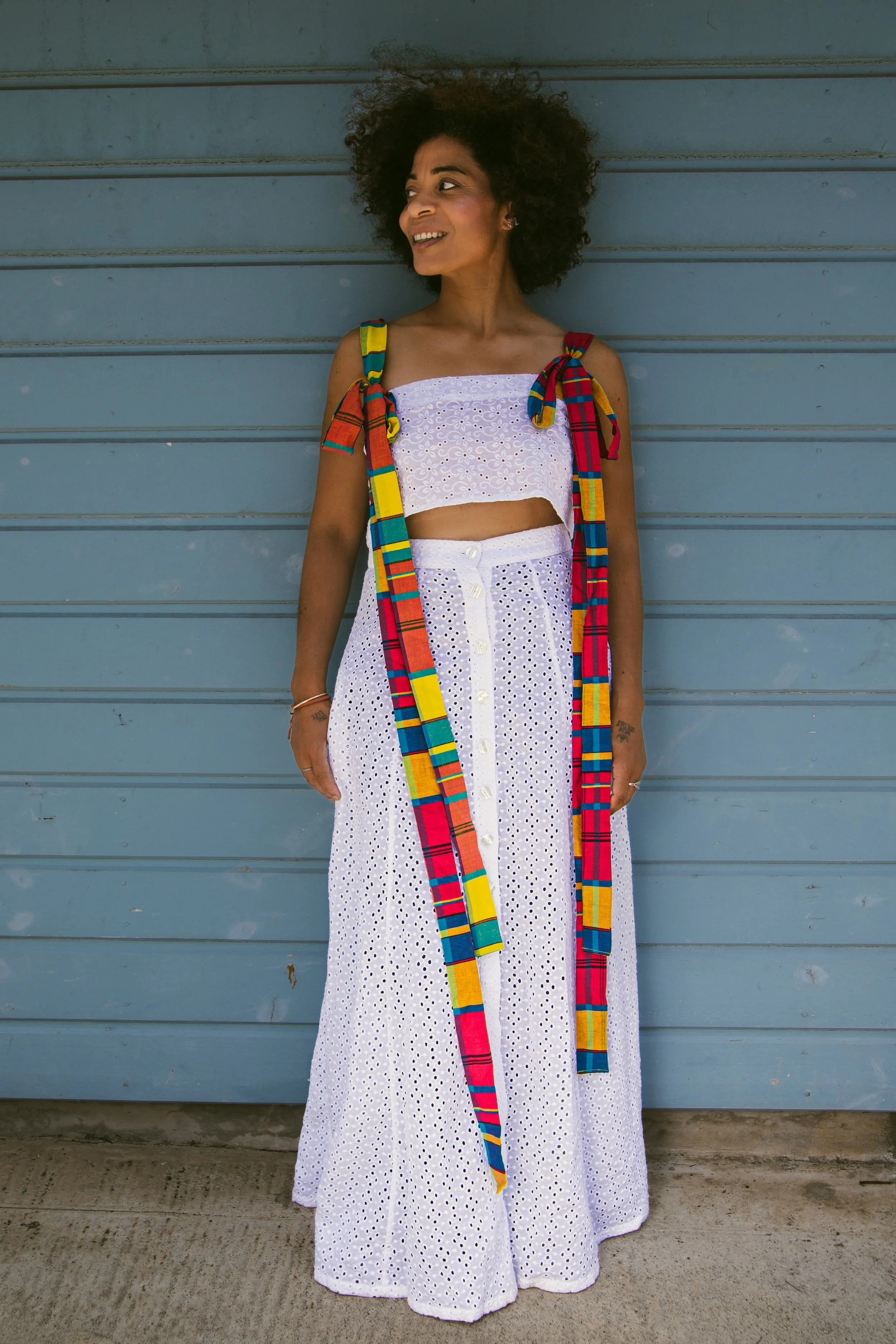
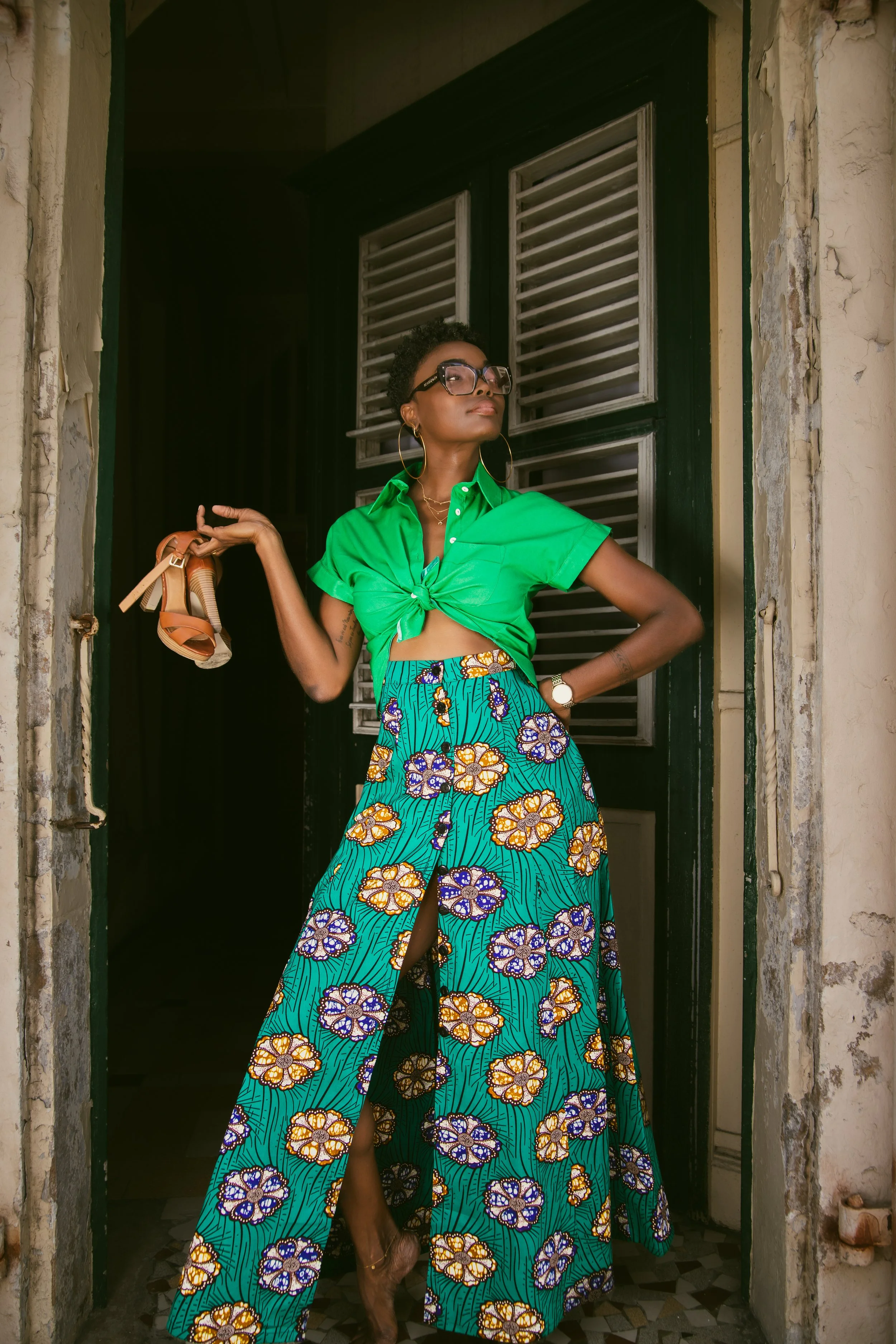
Building a brand in one of the world’s fashion capitals is both exhilarating and demanding. What have been the most rewarding moments, and what challenges have tested you?
I don’t feel like I belong to this world we call fashion. I love major fashion houses like Dior and Gaultier, but it’s an elitist environment that doesn’t easily make space for someone like me (unless I had a lot of money or family connections in the industry).
It’s almost contradictory to see how much effort goes into making people look “beautiful” through models that don’t exist in real life. You don’t see runway models walking around like that every day, do you? And what fascinates me is how sometimes nothing is actually beautiful, yet everyone calls it amazing lol.
What I love is hearing my clients say, “I felt beautiful,” “I got so many compliments today,” “Your designs always have that special effect.” That’s why I work - to help women feel beautiful, strong, remarkable, and noticed.
My biggest challenge is building something meaningful and successful while staying true to my values and DNA: enhancing women through clothing.
Was there a pivotal moment that confirmed you were on the right path?
It’s not easy to say yes with certainty. I often feel like I’m still searching for the right path - I’m far from achieving my goals. I’ve always been very ambitious, and now I say it more openly because there’s no shame in wanting success, financial freedom, and enjoying it.
I know the effort, the sacrifices, the health compromises I’ve made. I deserve to succeed. And even if I have to savor that success alone at first, I know I’ll create a positive social impact through it.
For those still discovering their personal style, especially on a budget, what advice would you give?
For me, the most important thing is quality pieces. Fabric matters, good tailoring matters, and having sizes that reflect real bodies rather than standardized ones is important.
If you’re on a limited budget, save up and invest in one beautiful, durable piece.
Finally, what advice would you give to women building their own unconventional dreams?
Never betray yourself. Trust yourself. And avoid listening too much to advice from people who haven’t taken real risks to pursue their own dreams.
I’m learning more and more to protect myself - to speak less and act quietly. I’ve also noticed that many people try to drain your energy by telling you what to do. Protect yourself, trust your instincts (we’re mammals - it’s still there lol), and stay focused.